⚡️ How Heartbeast Shipped a Game in 4 Months
![SHIP FAST - including Heartbeast's logo and key art from [Redacted] The Safehouse](/content/images/size/w960/2026/08/hb03.png)
How do you make a game quickly?
Last I heard, Ben Anderson (AKA Heartbeast) was working on WASarD. So I was surprised when he sent me a completely playable prototype of his new game, [Redacted] The Safehouse. Plus: he was launching it in just a few weeks!
So I asked him - How'd you make a game so fast?
He sent me a voice recording with such helpful pointers that I decided to make a whole video out (and this article) of it. Anyway here it is: Ben's development timeline, his process, and the key takeaways from shipping a game quickly.
📺 Watch the Video
🗓️ Timeline
Here's a snapshot of Ben's timeline from his article [Redacted] The Safehouse: I made this instead of my dream game:
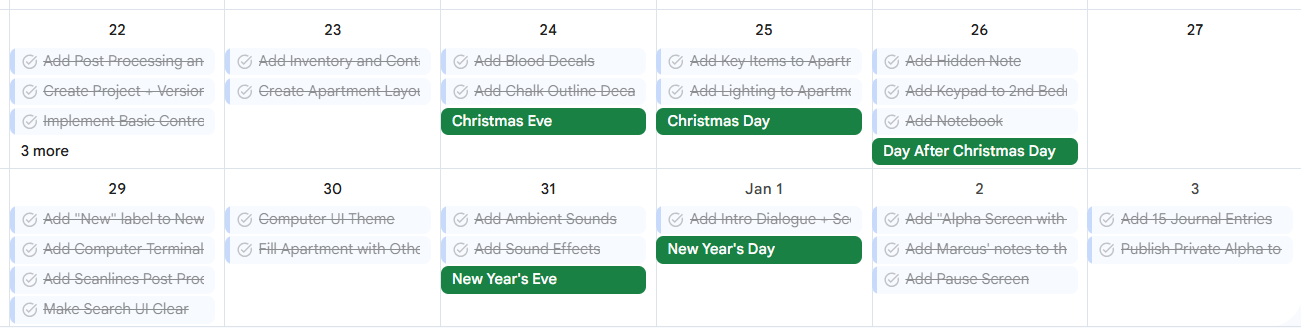
- Spent about a month making 6 prototypes targeting specific problems.
- Started production over Christmas break: 80% of development in 2 weeks.
- Spent 3 months "finishing": playtesting, iterating, feedback, polishing, bug fixing, quality of life features, and Steam store preparation.
Ben and I recorded a podcast a while ago. In it (and I hope I'm remembering this correctly), Ben offered up a formula for estimating how long a game will take to make. It was something like:
Time to finish = prototype time x6
That sounded about right when I heard it. Spent a month prototyping? Well it might take you 6 months to finish your game. Sounds reasonable-ish.
For [Redacted] The Safehouse, Ben took 1 month to prototype and shipped in 4 months. So he shipped at 4x his prototype time, roughly a third faster than the formula. Speed was the name of the game.
Gotta go fast!
🔑 Key Takeaways
Here's a handful of valuable advice that came out of this process:
- Start with a small idea
- Prototype components separately
- Embrace making a small game
- Leverage pre-made assets
- Use an "umbrella shader" (read on)
Let's break them down:
1) Start with a small idea
Come up with a game concept that's too small to grow out of control.
Think tiny.
A game that takes place in a single room. A game about rectangles.
If you want to ship fast, I think it's best to avoid what I call a "hungry" game. A hungry game is one that demands more. It has a ravenous appetite!
- ✅ Tetris doesn't demand much. Blocks appear, blocks go down. More blocks!
- ⛔️ Minecraft demands the whole world. You can build, fight, cook, craft, die of starvation or create a functional computer.
An open world sandbox is among the hungriest type of game you could make. So avoid those types of games, and lean towards simple game designs; maybe something like puzzle, horror, or arcade gameplay would be quickest for you.
2) Prototype components separately
In Ben's article, he describes all 6 prototypes he made:
- Core mechanics
- Visual appeal and mood
- Visual workflow
- The scene of the crime
- Basic mechanics (inventory, the keypad, and locked doors)
- Interesting visuals using a modular workflow
That is more prototypes than most newer game devs I talk to have made! Plus, these are just for one game. That's a lot of upfront work, but it set up production for success.
If production seems quick and easy, it's because the problems were tackled in pre-production.
 Heartbeast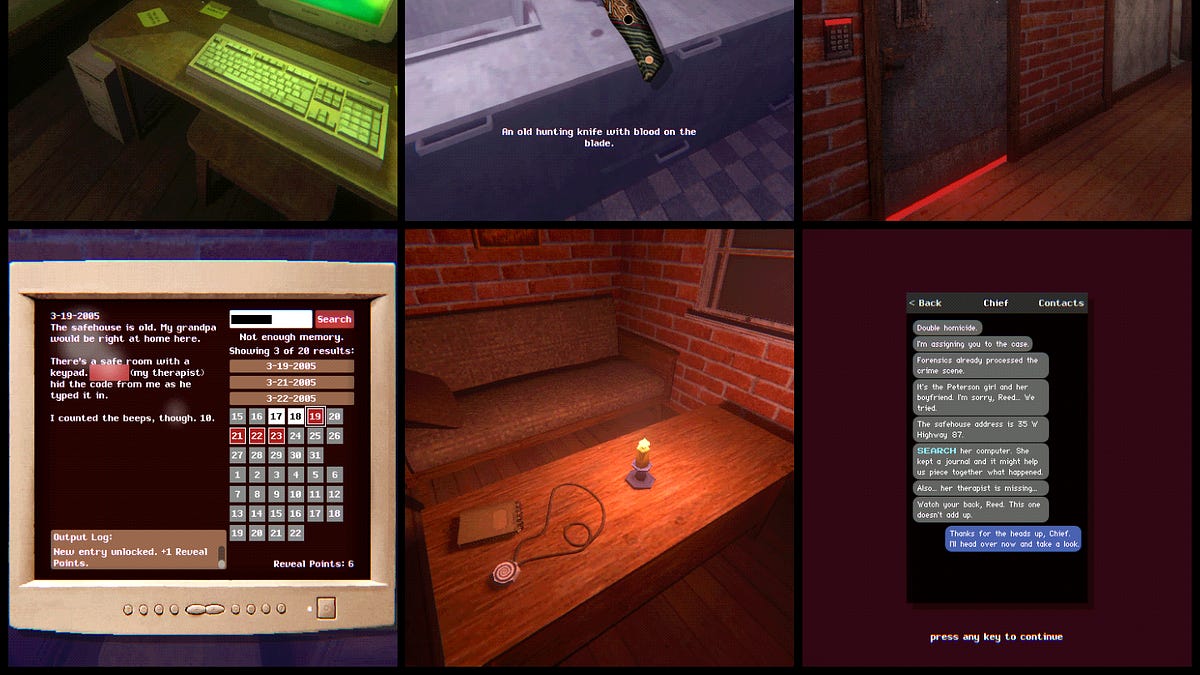
[Redacted] The Safehouse: I made this instead of my dream game
3) Embrace making a small game
Repeat after me:
It's OK to make a small game.
It is! I promise. We just have to set expectations.
See this well known indie game as a case study: A Short Hike.
It's right there in the name! Players can't complain about finishing the game quickly, because it's not called A 40-Hour Hike. You can't miss the shortness.
Also: price accordingly.
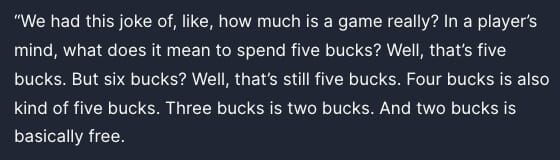
Here's how Ben priced his game:
- Ask your playtesters what they would expect to pay on Steam (you are playtesting your games, right?!)
- Find a "comparable" game and copy their price

Lastly: make the ending satisfying. Rather than players thinking,
"Oh, it's over already?"
We want them to think,
That was cool!
How do we do that? Maybe you should play Untitled Goose Game (no spoilers).
4) Leverage pre-made assets
Asset packs are no secret anymore.
Right at our fingertips, we have an essentially infinite amount of pixel art, music, 3D objects, textures, materials, and sound effects. Click any of the links in the previous sentence and you'll be sent to highly-recommended, free resources for you to use in your projects. Have fun!
Itch especially has a rich portfolio of game assets. I've used many of them in my upcoming game Pixel Washer! I've been lucky to be able to hire some pixel artists to make bespoke art, but for the lion's share of development I was using entirely pre-made game assets.
Add Pixel Washer to your Steam washlist 🐷🫧
They can get you very far, even to the finish line!
If you can, rework the assets to fit into your game. This is tricky to do with pixel art, but for assets like 3D objects, you can try scaling, flipping, trimming, or otherwise manipulating them to look more original and fit into your unique game.
Lastly, try to make the assets fit your own style (when the license allows it, of course). Which brings is to the final takeaway ...
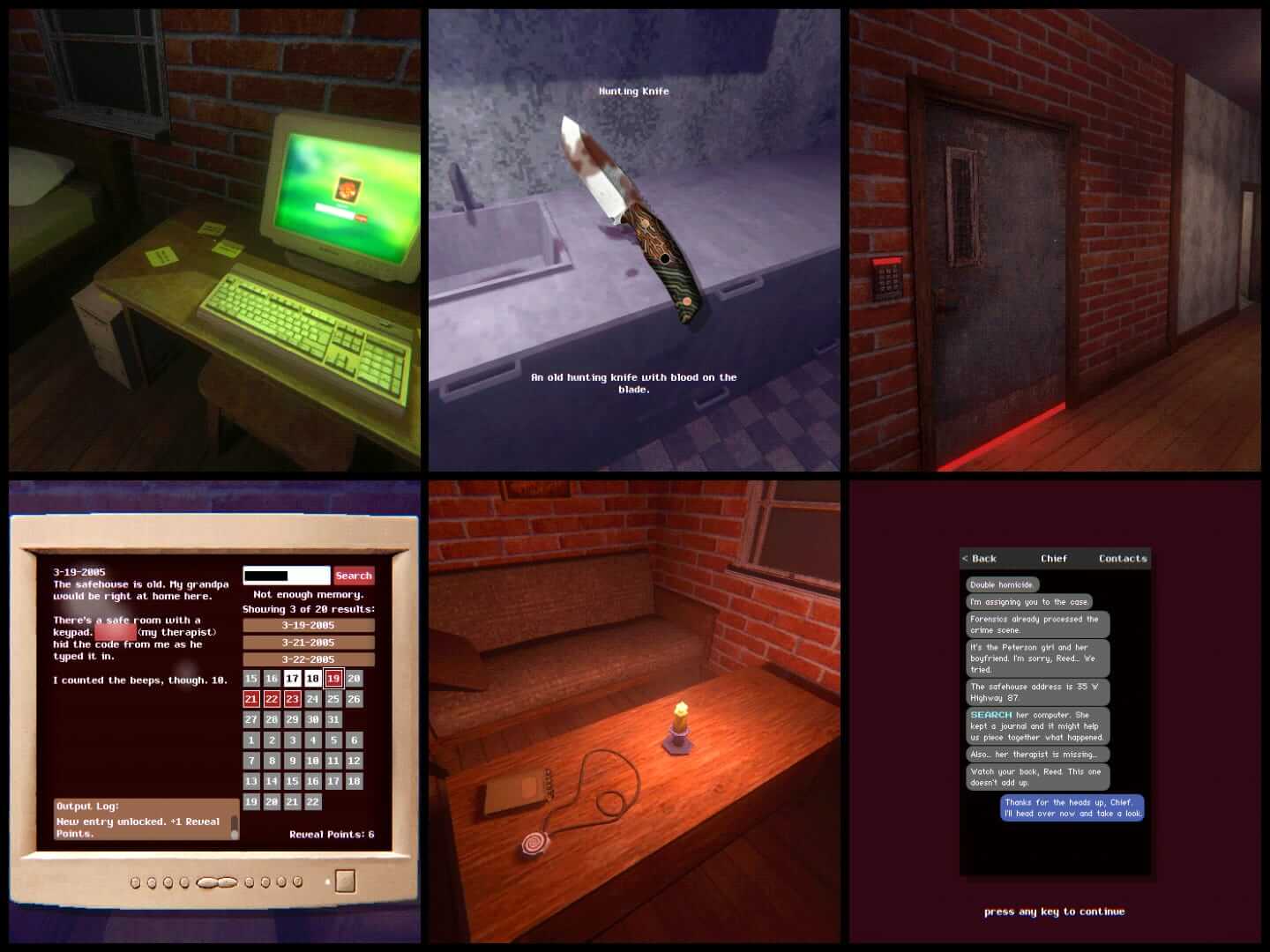
5) Use an "umbrella shader" for cohesive visuals
OK I just made up this term "umbrella shader" (at least I think I did, but maybe I read it somewhere who knows) but I like it.
It's a visual filter that can help your assets look cohesive together. Some of your assets might look like they don't belong together, but if you pass them through a couple of filters that can really flatten things out.
Shaders are way outside of the scope for our discussion here, but the sky's the limit with them. You can have your shader implement a consistent palette, add scanlines, bokeh, or whatever else you want.
Summary
Want to ship a game fast? Here are some tips:
Start small, prototype components separately, embrace making a small game, and leverage pre-made assets.
If it works for one dev, it could work for you too! However, be sure to tweak this advice to meet your unique needs. Ignore what you don't like, embrace what you do, and make changes to this process to fit your style.
Good luck, you got this!


🔗 Links Links Links
- [Redacted] The Safehouse on Steam
- Here's that video again - my first in 9 months oops oops oops
- [Redacted] The Safehouse: I made this instead of my dream game
- 7 Days After Launching my Indie Game
- Buckshot roulette style shader
- 💟 Main Project Syndrome with Ben Anderson (HeartBeast)
- Pixel Washer on Steam
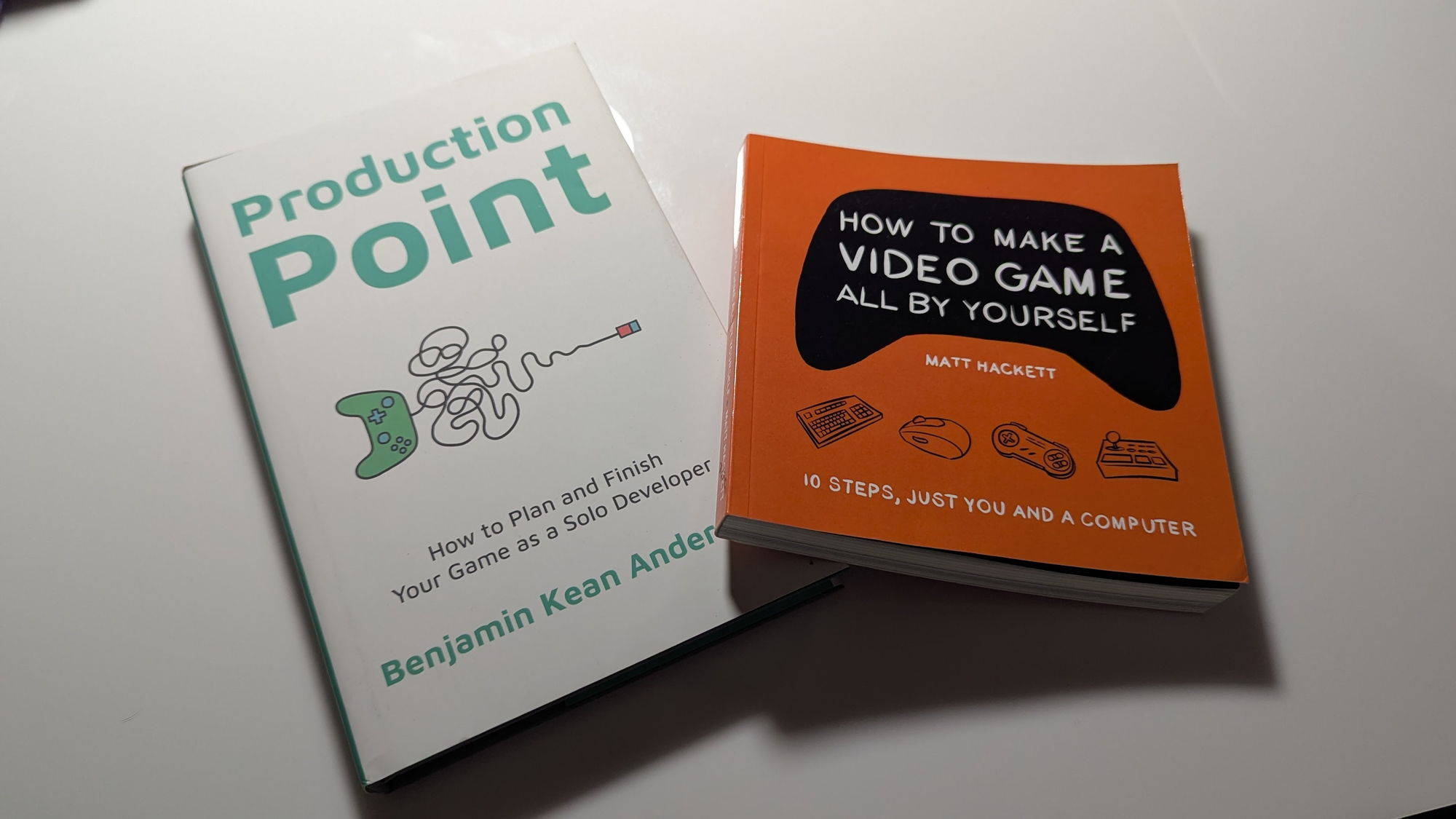
- Ben's game dev book Production Point
- My game dev book How to Make a Video Game All By Yourself